CyberChat #18
October is Cybersafety and Cyberbullying Awareness Month. As the mother of a freshman in high school, I’ve already been made aware of bullying behavior with my daughter’s peers, and we’re barely into the new school year! Sadly, we are seeing cyberbullying on the rise, and with that, more students turning to self-harm. At SafetyNet®, we take the dangers of cyberbullying personally — not just as professionals, but as parents, siblings, caretakers, and adults who play an important role in the lives of children. I hope this issue of CyberChat will help to answer questions you may have and provide valuable resources to keep our kids safe.
WENDY WADDELL
SafetyNet® Program Manager
What is Cyberbullying?

The Cyberbullying Research Center defines a cyberbully as “someone who repeatedly and intentionally harasses, mistreats, or makes fun of another person online or while using cell phones or other electronic devices.” In their most recent research study, approximately 58% of their nationally representative sample of middle and high school students reported they experienced cyberbullying at some point in their lives. This indicates cyberbullying has increased by 3% since their 2023 study. Additionally, data revealed that adolescent boys are more likely to have experienced cyberbullying as a target (36.6% vs. 28.6%) and as an aggressor (21.7% vs. 10.4%). Previous research found boys and girls equally likely to have experienced cyberbullying.
Adolescent suicide is also on the rise in the United States, with recent data from the Centers for Disease Control and Prevention showing that nearly 14% of adolescents have made a suicide attempt. Tragically, a 13-year-old boy with Tourette’s syndrome recently committed suicide as a result of bullying in our local community. His family filed a legal claim against the Coronado Unified School District, claiming that leadership did not take concerns about cyberbullying seriously enough.
If you are having thoughts of suicide, please know that you are not alone. If you are in danger of acting on suicidal thoughts, call 911. If you or someone you know is struggling or in crisis, help is available. See the Resources section below.
The Effects of Cyberbullying
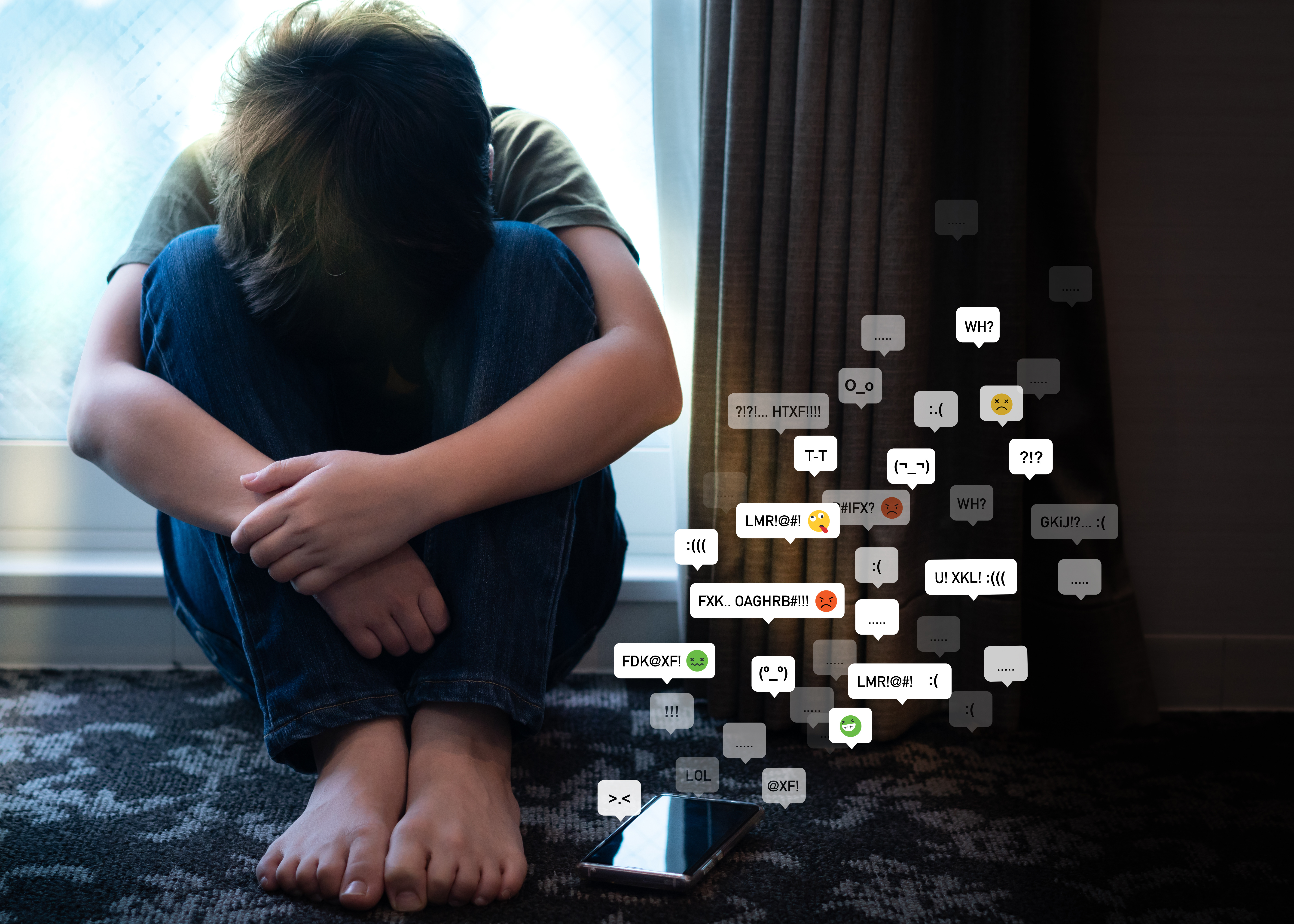
According to the American Society for the Positive Care of Children, cyberbullying can have lasting negative physical, psychological, and emotional effects. Victims of cyberbullying experience higher rates of depression and anxiety, difficulty sleeping, a lower sense of self-worth, eating disorders, and are more likely to attempt suicide.
Some warning signs that your child may be a victim of cyberbullying include:
- Rapid change in clothing style
- Sudden disinterest in activities liked before
- Disruption in sleeping habits
- Bags under their eyes
- Change in appetite
- Mood swings
- Anxiety about going to school
Cyberbullying Action Plan
It is important that your child does not engage with a cyberbully. Even if it is in response to being bullied, if they send bullying content, they run the risk of facing the same legal consequences.
Under Education Code 48900, if a student is found guilty of bullying using an electronic device, they are subject to suspension or expulsion. This includes when a student is travelling to and from school or school-sanctioned events that are off-campus, which is why it is important to screenshot all bullying content sent to your child and report it to the school administration.
Safety Tips
- Step 1: Block
- Take away a bully’s access to your child
- Screenshot all bullying content sent to your child before blocking
- Step 2: Report
- Identify who to report to
- Parents/Guardians, School Administration
- Proper authorities
- Your child’s well-being is threatened
- Bullying interferes with a child’s ability to get an education
- Identify who to report to
- Step 3: Ignore
- If your child engages with a cyberbully, they run the risk of facing legal consequences
Resources
- 2025 Cyberbullying Data
- Cyberbullying and Adolescent Suicide
- Student Suicide in Coronado School District
- 988 Suicide & Crisis Hotline
- Know The Signs: Suicide Is Preventable
- Effects of Cyberbullying
- Education Code 48900
- Trevor Project Suicide Hotline for LGBTQ+ Youth
SafetyNet: Smart Cyber Choices® is a collaborative program of the San Diego Internet Crimes Against Children Task Force (SD-ICAC) and the San Diego Police Foundation. It is designed to help kids, parents, educators, and concerned adults learn how to keep kids safe online.